Why the Right Slip Underneath Changes How a Dress Actually Drapes
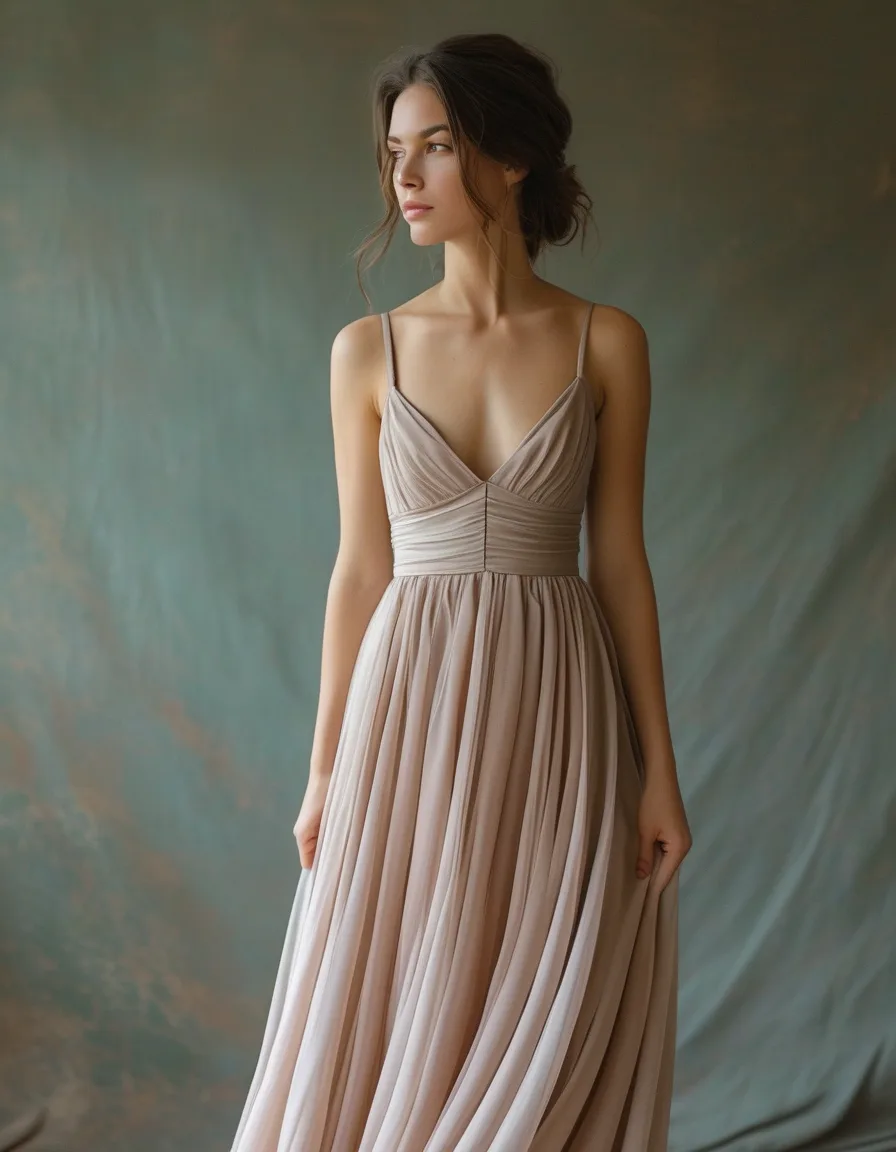
A slip gets reached for mainly when a dress is sheer enough to need it for coverage, treated as a modesty layer rather than a styling one. But the slip’s own fabric changes how smoothly a dress falls and moves, reducing static cling and letting the outer fabric drape the way it was actually designed to, which matters even when opacity was never the issue.
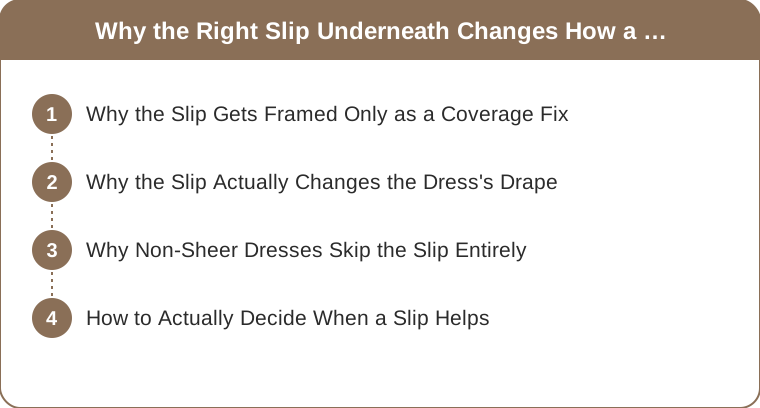
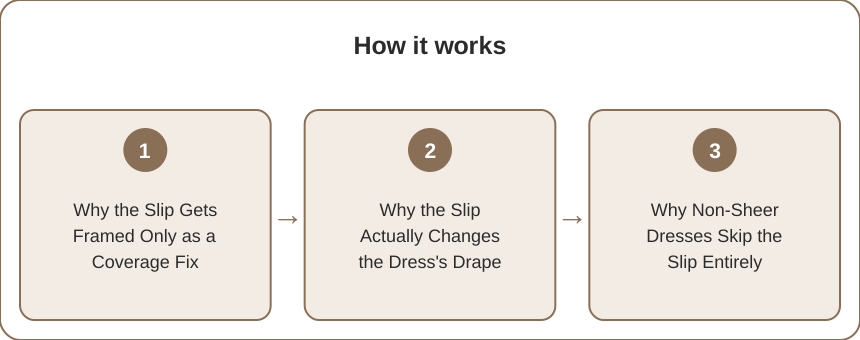
Why the Slip Gets Framed Only as a Coverage Fix
The modesty-first reasoning: a slip typically only coming up in conversation when a dress is thin or sheer enough to show more than intended, which frames its whole purpose around solving an opacity problem rather than anything related to how the dress actually hangs.
Why the Slip Actually Changes the Dress’s Drape
The friction mechanism: a smooth slip fabric reducing friction between the dress lining and the body, letting the outer fabric fall and move more freely the way its designer intended, while going without a slip against bare skin or certain undergarments can create drag points that cause bunching, static, or an uneven hang, even in a fully opaque dress.

Why Non-Sheer Dresses Skip the Slip Entirely
The overlap: an opaque dress not obviously needing a slip for coverage, which means the drape benefit gets skipped along with the coverage reasoning, even though the fabric-on-fabric friction issue applies just as much to a solid dress as a sheer one.
How to Actually Decide When a Slip Helps
The practical check: wearing a slip under any flowy or clingy dress fabric regardless of opacity, choosing a smooth, slightly slippery slip fabric to reduce friction against the body, and the frame (a slip changes friction and drape, not just coverage — using one for drape reasons, even under an opaque dress, is what actually improves how it falls.)
A slip gets reached for mainly when a dress is sheer enough to need it for coverage, treated as a modesty layer. But a smooth slip fabric reduces friction between the dress lining and the body, letting the outer fabric fall the way it was designed to, while going without one can create drag points that cause bunching or static even in a fully opaque dress. An opaque dress doesn’t obviously need a slip for coverage, so the drape benefit gets skipped along with the coverage reasoning. Wearing a slip under any flowy or clingy fabric regardless of opacity is what actually improves how a dress falls.
Keep Reading
This article is for general styling and informational purposes only. Trends, sizing, availability and pricing may vary by brand and season.